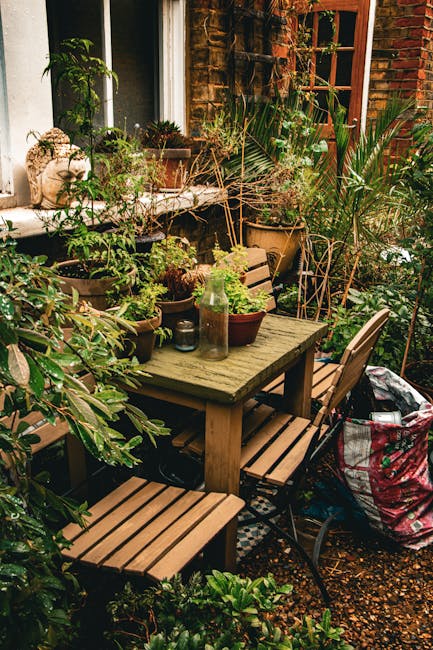
Fitzrovia gardeners disposal rules Camden Council guide
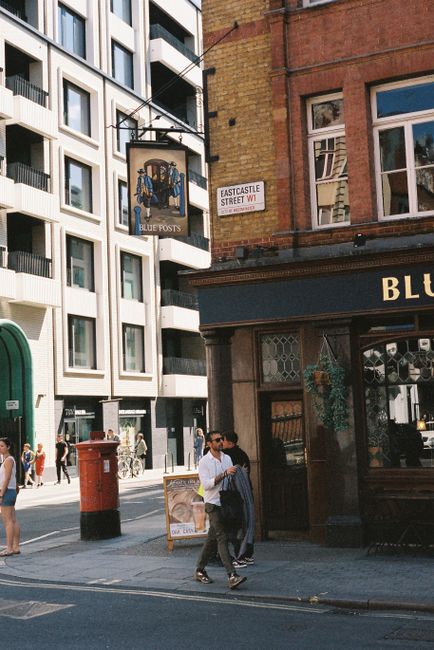
If you garden in Fitzrovia, or you hire someone to keep a courtyard, roof terrace, front patch, or shared garden in shape, disposal can become awkward very quickly. Cuttings pile up. Bags get heavy. Branches look small until you start tying them. And then the obvious question lands: what are the Fitzrovia gardeners disposal rules Camden Council expects you to follow?
This guide breaks it down in plain English. You'll learn how green waste is usually handled, what tends to be accepted, what should be kept separate, how to avoid fly-tipping trouble, and how a professional gardener can work neatly without leaving you with a compliance headache. Truth be told, waste is one of those things people only notice when it goes wrong. Better to get it right first time.
Why Fitzrovia gardeners disposal rules Camden Council guide Matters
Garden waste is not just "green stuff." It can include grass, leaves, hedge trimmings, woody stems, soil, dead plants, old compost, and sometimes mixed waste from pots, packaging, or broken fixtures. Camden Council expectations matter because the way waste is stored, separated, and removed affects safety, cleanliness, and whether the job looks professional or a bit thrown together.
In Fitzrovia, space is usually tight. A narrow mews, basement garden, or shared courtyard can fill up in an afternoon after a tidy-up. If the waste is left in the wrong place, bags can split, pests can appear, and neighbours notice. You know how it is in central London: one untidy bin area can make the whole property feel less cared for.
There's also the practical side. Gardeners who understand disposal rules can work faster, avoid unnecessary return visits, and reduce the chance of mixed waste being rejected at collection or disposal. If your gardener is also handling routine care such as garden maintenance or regular hedge trimming in Fitzrovia, waste planning should be part of the job, not an afterthought.
Expert summary: the cleaner the separation, the fewer problems later. Green waste, woody waste, soil, and non-organic rubbish should be treated differently. That simple habit saves time, money, and stress.
How Fitzrovia gardeners disposal rules Camden Council guide Works
At a practical level, disposal works best when waste is sorted before it leaves the garden. That is the real trick. Most gardening jobs create several waste streams at once, and mixing them makes disposal harder. A pile of ivy, a few broken pots, and some packaging from plant deliveries do not belong in one bag just because they all came from the same job.
For most domestic gardening tasks, the general approach is straightforward:
- Green waste such as grass cuttings, leaves, soft plant material, and small prunings should be kept separate where possible.
- Woody waste like thicker branches and hedge trimmings may need bundling, cutting down, or a separate load.
- Soil and stones are often handled differently because they are heavy and can be restricted by collection services.
- Mixed rubbish such as plastic ties, broken pots, old compost sacks, and packaging should not be dumped with organic material.
The exact collection and disposal route can vary depending on the work, the amount of waste, and whether a property uses local collections, private removal, or a one-off clearance service. That is why professional gardeners should plan waste handling before they cut a single branch. It sounds obvious. Yet people still forget and end up with three times the hassle.
If the garden includes hard landscaping, decking, or fencing, there may also be timber offcuts, screws, rubble, or fixings to separate. Those are not garden waste in the same sense. For that kind of project, it helps to coordinate disposal with services such as landscaping, decking services, or fencing.
Key Benefits and Practical Advantages
Following a sensible disposal routine is not only about staying on the right side of council expectations. It also makes garden work smoother. A lot smoother, in fact.
- Less clutter on site: the garden stays usable during the job rather than becoming a dumping ground.
- Lower risk of complaints: neighbours and residents are less likely to object to bags, smells, or blocked access.
- Better efficiency: gardeners waste less time re-sorting or making extra trips.
- Cleaner finish: the property looks properly finished, not just "cut and gone."
- Safer working conditions: fewer trip hazards, less lifting strain, and less mess around steps or shared entrances.
- Reduced compliance risk: proper disposal lowers the chance of the job being linked to fly-tipping or nuisance waste handling.
There is a quiet professionalism in getting disposal right. You may not notice it when everything is fine, but you certainly notice the difference when a job ends with neatly bagged waste, swept paths, and nothing left for residents to wonder about.
If the aim is a lower-maintenance outdoor space, it can also help to choose planting that naturally produces less waste. Ideas from low-maintenance garden planning and weed control strategies can reduce the volume of routine disposal over time.
Who This Is For and When It Makes Sense
This guide is useful for more people than you might expect. Yes, it helps professional gardeners, but it also helps landlords, property managers, busy homeowners, and anyone trying to keep a small London garden under control without creating more problems than they solve.
You will benefit from this if you:
- hire a gardener for regular maintenance in Fitzrovia;
- manage a rental flat with an outdoor space;
- need hedge cutting, pruning, or seasonal clearance;
- are dealing with overgrown beds, containers, or a neglected patio garden;
- want to avoid waste being left in bins, alleyways, or communal areas;
- need a tidy, documented process for a building or block of flats.
It also matters if you are in the middle of a bigger project. For example, a complete tidy-up may involve patio cleaning, lawn care, or even tree surgery. Each of those tasks creates its own disposal needs. The more complex the job, the more valuable a clear waste plan becomes.
And if you are not sure what is actually feasible on your property, a quick conversation can help. Some spaces are so compact that the whole disposal plan needs to be built around access, timing, and carry distance. That is where experience really counts.
Step-by-Step Guidance
Here is a practical way to handle garden waste in Fitzrovia without making life harder than it needs to be.
- Identify the waste before the work starts. Walk the space and note what will come out: grass, leaves, hedge trimmings, soil, branches, broken pots, and any general rubbish.
- Separate green waste from non-green waste. Keep plastic, metal, wire, labels, and packaging apart from organic material. This one is basic, but people forget when they are in a rush.
- Estimate volume and weight. A few bags of leaves are one thing; a load of soaked soil or woody cuttings is another. Wet waste is much heavier than it looks.
- Check access and storage. In Fitzrovia, access can be the real bottleneck. Narrow stairways, shared gates, and basement steps all affect how waste is moved.
- Choose the right removal method. Depending on the job, waste may be bagged for collection, taken away in a vehicle, or loaded into a licensed waste route. The method should fit the waste type.
- Keep the site tidy during the job. Do not let cuttings spread across paving or communal paths. A quick sweep halfway through saves a bigger cleanup later.
- Finish with a final check. Inspect corners, under hedges, and around planters. Tiny bits of debris are what make a garden feel unfinished.
A good rule of thumb: if a waste pile would look messy in the daylight, it will look worse by the next morning. Especially after rain. London rain has a way of making everything heavier and more dramatic than it needs to be.
For recurring jobs, it often makes sense to combine disposal planning with routine service scheduling through gardening services or a fixed-care arrangement via garden maintenance.
Expert Tips for Better Results
Small decisions make a big difference. In our experience, the best waste handling systems are not flashy. They are boring in the best possible way: consistent, tidy, and easy for everyone on site to follow.
- Use the right bags. Flimsy bags split. That is not a minor inconvenience; it creates a second job no one asked for.
- Cut woody waste down first. Shorter branches are easier to stack, carry, and load. Less awkward, less likely to poke through bags.
- Keep compostable material separate where practical. It can reduce contamination and make green waste handling simpler.
- Do not overfill bags. Overstuffed sacks are hard to lift safely and often rip near the top seam.
- Have a wet-weather plan. If waste sits outside for a while, rain can double the weight. A very ordinary problem, but a nasty one.
- Bundle thorny or spiky cuttings carefully. Rose prunings and certain hedges can snag gloves, clothing, and bin liners.
If your garden work includes dense hedging, it may help to read up on hedge trimming techniques and privacy hedge choices, because plant type influences the amount and kind of waste produced.
A practical little habit: keep one bag or tub just for "oddments" like plant labels, broken ties, and packaging. It stops tiny items from disappearing into green waste, which is exactly how mixed loads become annoying.
Common Mistakes to Avoid
Most disposal problems are caused by avoidable habits, not big mistakes. That is the frustrating part. Here are the ones that crop up most often.
- Mixing everything together. Green waste, soil, plastic, and rubble should not be thrown into one heap and called sorted.
- Leaving waste in communal areas. Shared entrances and pathways are risky places to stage bags, even temporarily.
- Ignoring weight limits. Heavy bags are dangerous to carry and more likely to split.
- Assuming all garden waste is treated the same. It isn't. Soil, timber, green cuttings, and mixed rubbish are handled differently in practice.
- Forgetting about access. A great disposal plan on paper can fail if nobody can actually move the waste out cleanly.
- Leaving pruning piles overnight. This invites mess, odour, and, in some cases, unwanted animals. Not ideal.
Another easy mistake is underestimating the amount of waste from a "small tidy-up." Small city gardens can be deceptive. A few shrubs, one hedge, and a patch of ivy can create a surprisingly large pile. Happens all the time.
Tools, Resources and Recommendations
You do not need a warehouse of kit to manage disposal well, but a few tools make life easier and safer.
- Heavy-duty garden waste sacks for cuttings and leaves.
- Secateurs and loppers to reduce branch size before moving waste.
- Rakes and brooms to gather loose material from gravel, paving, and borders.
- Wheelbarrow or garden trolley for moving heavier loads across the site.
- Gloves with grip to protect hands from thorns, rough bark, and damp material.
- Tarpaulin or sheet for temporary staging without spreading debris everywhere.
For homeowners trying to reduce disposal volume over time, useful habits include better planting selection, regular pruning, and smarter seasonal care. Articles on winter plant protection, weather resilience, and turning waste into humus can help you think a bit more circularly. Less waste out, more value back in. Simple idea, but powerful.
If your garden is compact, container-based, or vertical, disposal can be much more manageable because the material volume is usually smaller. That makes articles like container gardening in small spaces and vertical gardening for urban spaces surprisingly relevant.
Law, Compliance, Standards, or Best Practice
Waste handling in gardens should always be approached carefully. In the UK, the basic expectation is that waste is managed responsibly, kept from becoming a nuisance, and handed over through an appropriate and lawful route. For a gardener or property owner, that means using sensible sorting, avoiding unlawful dumping, and choosing reputable disposal methods.
Without making assumptions about a specific council process, the safest best practice is simple: do not mix waste streams unless you know they can be handled together; do not leave waste in public or shared spaces; and do not pass waste to anyone who cannot clearly deal with it properly. If a job involves a contractor, they should be able to explain how waste will be removed and where it is going in broad terms.
For larger or more complex jobs, it is also wise to check whether the work creates anything beyond ordinary green waste. Soil, rubble, treated timber, metal fixings, old compost bags, and contaminated material may need separate handling. That is particularly relevant during larger garden projects or when improving structures such as fences and decking.
Best practice also includes documentation. A straightforward note of what was removed, when, and how it was handled can save a lot of back-and-forth later, especially in rented or managed properties. Nothing fancy. Just enough to show the job was handled properly.
Options, Methods, or Comparison Table
Different gardens need different disposal methods. The right choice depends on waste volume, access, and whether the material is clean green waste or mixed debris.
| Method | Best for | Pros | Watch-outs |
|---|---|---|---|
| Bagged green waste | Leaves, soft cuttings, light pruning | Simple, tidy, easy to stage | Can become heavy if wet; bags can split |
| Bundled branches | Hedge trimmings and woody stems | Good for access routes and loading | Needs cutting down to manageable sizes |
| Separate soil handling | Replanting, bed renovation, excavation | Prevents contamination of green waste | Heavy; can be awkward in tight spaces |
| Mixed waste removal | Jobs with pots, packaging, timber offcuts | Useful for bigger refurbishments | Needs more sorting and careful disposal planning |
In a small Fitzrovia garden, bagged green waste is often the cleanest option for routine maintenance. For larger clearances, mixed removal may be unavoidable. The point is not to force a one-size-fits-all system. It is to match the method to the job, which is usually where mistakes get avoided.
Case Study or Real-World Example
Imagine a basement courtyard in Fitzrovia that has not been touched properly for a while. There is ivy around the fence line, a tired lawn edge, several bags' worth of leaves, and a few broken planters tucked behind a seat. The garden looks manageable at first glance. Then the pruning starts, and suddenly there is more material than expected. Classic.
A sensible gardener would usually handle the job in stages. First, clear the loose waste and separate non-organic bits. Next, cut the thicker stems down so they do not stab through sacks or block the path. Then bag the light green material and keep the heavier woody waste apart. Finally, sweep the paving and check hidden corners near the fence, the steps, and behind pots.
That staged approach does more than keep the site tidy. It reduces carry risks, avoids cross-contamination, and makes it easier to decide what can go into routine garden waste handling and what may need a different route. If the job also includes overgrown boundaries, it may overlap with hedge trimming Fitzrovia or even a broader tidy-up through gardening services.
The nice thing is that once a property has a workable disposal routine, the second visit is always easier than the first. Less chaos. Less guessing. More of that calm, finished look people actually want.
Practical Checklist
Use this checklist before, during, and after a garden job.
- Sort green waste, woody waste, soil, and general rubbish separately where possible.
- Check access routes before starting work.
- Use strong bags or bundling methods suited to the waste type.
- Keep shared paths, entrances, and pavements clear.
- Do not overfill sacks or make unsafe loads.
- Remove non-organic items such as plastic ties, broken pots, and packaging.
- Stage waste neatly and avoid leaving piles overnight.
- Inspect corners, steps, under hedges, and hard-to-see spots before finishing.
- Confirm the chosen disposal route is appropriate for the waste generated.
- Make a simple note of what was removed for future reference.
Quick takeaway: neat separation, safe lifting, and a clean exit route will prevent most disposal problems before they start.
If you want a tidier, easier routine for your outdoor space, it can help to speak with a local team that already understands London gardens, tight access, and the reality of working around residents and neighbours. A well-planned visit is usually calmer, cleaner, and less disruptive. That matters more than people think.
Get a free quote today and see how much you can save.
Conclusion
The Fitzrovia gardeners disposal rules Camden Council guide is really about common sense, careful separation, and respect for the space around you. When waste is sorted properly, carried safely, and removed through the right route, the whole job feels more professional. The garden looks better, the access stays clear, and nobody is left wondering what happened to the pile by the bins.
Whether you manage a compact courtyard, a shared block garden, or a small private retreat, disposal should be built into the work from the start. That little bit of planning pays off every time. And once you get into the habit, it becomes second nature. Almost boring, which is exactly what you want.
In a city like London, a tidy garden is never just about the plants. It is about care, order, and making a small patch of outside space feel like it belongs. That's the good stuff, really.
Frequently Asked Questions
What are the basic Fitzrovia gardeners disposal rules Camden Council guide users should follow?
The safest approach is to separate green waste from non-organic rubbish, avoid leaving waste in shared or public areas, and use a proper removal method for the type of material produced. The exact route depends on the job.
Can garden waste be mixed with general household rubbish?
Not if you can avoid it. Mixed waste makes disposal harder, increases the chance of rejection, and can create compliance problems. Keep plant material separate from plastic, packaging, and other household rubbish.
Do hedge trimmings count as garden waste?
Yes, hedge cuttings usually fall under garden waste, but thicker woody material may need different handling than soft leaves or grass. It helps to cut large pieces down before bagging or bundling them.
What should I do with soil after replanting or digging?
Soil is heavy and often needs separate treatment from green waste. Do not assume it can be put into ordinary garden bags without checking the disposal method first.
Is it okay to leave garden waste on the pavement temporarily?
It is best not to. Shared or public spaces can create obstruction and nuisance issues very quickly. Temporary staging should be minimal, tidy, and managed so it does not inconvenience others.
How can I reduce the amount of garden waste I produce?
Choose low-maintenance planting, prune regularly, keep on top of weeds, and avoid letting hedges or shrubs get out of hand. Smaller, more frequent jobs usually produce less waste than one dramatic seasonal clear-up.
Do I need different disposal handling for a landscaping project?
Usually, yes. Landscaping can create soil, rubble, timber offcuts, and packaging as well as normal garden waste. Those materials often need sorting into separate streams.
What happens if garden waste is left for too long in wet weather?
It becomes heavier, messier, and harder to move. Wet waste can also start to smell and spread debris more easily. If you can, remove it promptly rather than leaving it outside for days.
How do professional gardeners usually keep disposal tidy in small London gardens?
They plan access first, sort waste as they go, use strong sacks or bundles, and clear the site in stages. In tight Fitzrovia spaces, organisation matters even more than speed.
Should a gardener explain how the waste will be removed before starting?
Yes, that is a sensible expectation. A professional should be able to explain the waste handling approach in plain language so you know what will happen and what will not be left behind.
What is the biggest mistake people make with garden waste disposal?
The most common mistake is mixing everything together and hoping it will sort itself out later. It rarely does. A little separation at the start saves a lot of trouble at the end.
Can waste rules affect how often I book garden maintenance?
Absolutely. Regular maintenance usually creates smaller, easier waste loads. That makes disposal simpler and often keeps the garden looking better between visits too.
Where does hedge cutting fit into disposal planning?
Hedge cutting can generate a lot of bulky material in a short time, so it needs its own plan. If you are booking trimming work, it is worth thinking about removal at the same time.
When should I ask for help with disposal rather than doing it myself?
If the waste is heavy, awkward, mixed, or difficult to move through your property, it is usually worth getting help. That is especially true in Fitzrovia where access can be tight and stairs are never particularly forgiving.
If you are unsure how your garden waste should be handled, or you want the whole job managed cleanly from cut to clear-up, a local professional can save time and reduce stress. Sometimes that is the simplest answer, and honestly, the best one too.