Goodge Street Fitzrovia gardeners access guide for narrow gardens
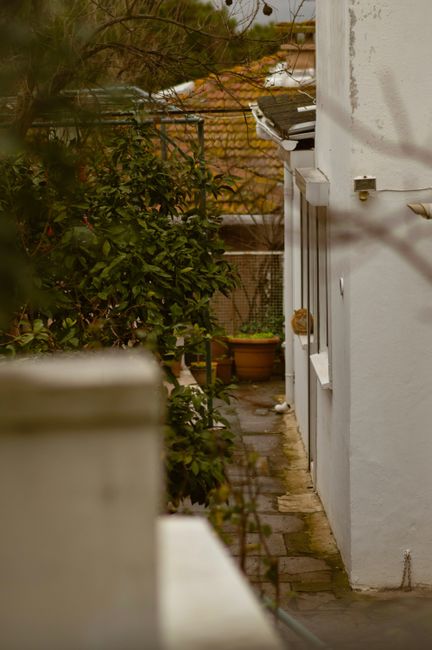
Narrow garden access can turn a simple tidy-up into a logistical puzzle. If you live near Goodge Street in Fitzrovia, you will know the kind of space we mean: a slim passage, a tight side return, a back gate that barely opens, or stairs that seem designed to test every wheelbarrow ever made. The Goodge Street Fitzrovia gardeners access guide for narrow gardens is about making that reality easier to manage without damaging plants, surfaces, or your sanity.
In this guide, we walk through how access planning works, what good gardeners actually do on site, and the small decisions that make a big difference. You will also find a checklist, a comparison table, practical examples, and a few honest warnings about what tends to go wrong. To be fair, narrow access is rarely a problem once it has been thought through properly. It only becomes one when it is guessed.
Table of Contents
- Why Goodge Street Fitzrovia gardeners access guide for narrow gardens Matters
- How Goodge Street Fitzrovia gardeners access guide for narrow gardens Works
- Key Benefits and Practical Advantages
- Who This Is For and When It Makes Sense
- Step-by-Step Guidance
- Expert Tips for Better Results
- Common Mistakes to Avoid
- Tools, Resources and Recommendations
- Law, Compliance, Standards, or Best Practice
- Options, Methods, or Comparison Table
- Case Study or Real-World Example
- Practical Checklist
- Conclusion
- Frequently Asked Questions
Why Goodge Street Fitzrovia gardeners access guide for narrow gardens Matters
Access is the hidden part of garden work. People often focus on planting plans, hedge shapes, or the finish on a new patio, but the real challenge in a Fitzrovia garden is often simply getting in and out cleanly. If the route is too tight, the job slows down. If the route is not protected, it can leave scuffed paint, broken pots, muddy floors, or chipped paving. Nobody wants that.
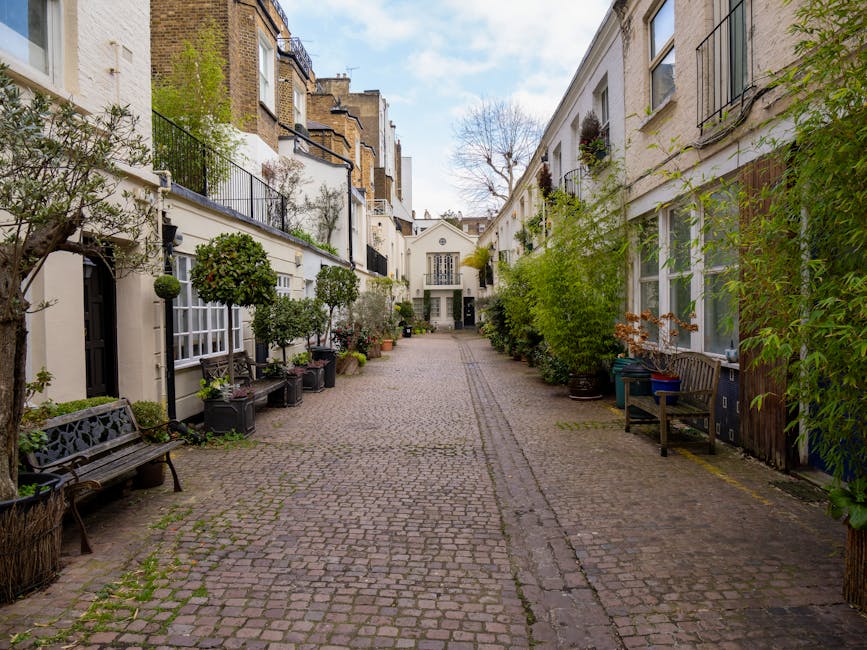
Goodge Street and the wider Fitzrovia area tend to come with a mix of period properties, compact mews-style layouts, basement gardens, and internal courtyards. That means narrow access is not unusual. A sensible access plan helps gardeners work with the space rather than fight it. It also means you get a more accurate quote, fewer delays, and less disruption on the day.
There is another reason this matters: narrow gardens usually have less room for mistakes. One awkward turn with a loaded trolley can flatten a border. One oversized bag of compost in the wrong place can block the whole route. When access is planned well, the garden feels calmer from the start. And honestly, that calm matters.
Expert summary: In narrow Fitzrovia gardens, the best results usually come from planning access first and the garden work second. That simple order saves time, protects surfaces, and makes the whole visit feel more controlled.
How Goodge Street Fitzrovia gardeners access guide for narrow gardens Works
The process starts before anyone picks up a tool. A gardener will usually look at how people, equipment, soil, and waste can move through the property. In practice, that means checking the width of gates, the slope of steps, the condition of paving, the location of taps and storage, and where waste can be collected without backtracking every ten minutes.
For very narrow gardens, the approach is often split into stages. First comes a brief access assessment. Then comes a route plan for tools and materials. Then comes the work itself, often with lighter kit, smaller batches of materials, and more frequent clean-downs. It is not glamorous. It is simply efficient.
Access planning also affects the style of gardening that makes sense. For example, if the route is tight, large bag deliveries may be swapped for smaller loads. Heavy pruning waste might need to be cut down on site before removal. If the paving is delicate, boards or protective mats may be used. You can think of it as working backwards from the route, not forwards from the flower bed.
That is also why many homeowners ask for broader support through gardeners' services in Fitzrovia rather than a one-off task only. When access is awkward, the best approach is often a joined-up one: maintenance, clearance, pruning, and planting planned together rather than as isolated jobs.
If the work involves regular upkeep, access planning becomes even more valuable. A small route that works for a one-off visit may be tiring if repeated every fortnight, which is where proper scheduling and the right setup really earn their keep. It sounds obvious. Yet it is often skipped.
Key Benefits and Practical Advantages
Good access planning in narrow gardens is not just about convenience. It changes the quality of the result.
- Less damage to the property: tighter routes mean more risk of scraping walls, bent trellis, or damaged edging unless movement is planned carefully.
- Faster work on the day: a clear route reduces time wasted carrying tools in circles. Nobody enjoys that sort of day, least of all the person holding the compost.
- Safer working conditions: fewer obstacles means fewer trips, slips, and strained lifts.
- Better use of small-space design: access decisions often push the layout toward smarter planting, lighter materials, and easier maintenance.
- More predictable costs: when access is known in advance, quotes can be more accurate and less likely to shift because of surprises.
For many Fitzrovia homes, the biggest win is not dramatic transformation. It is simply turning a cramped, awkward outside space into somewhere that feels manageable. That makes a real difference to how often you use the garden. If you have ever avoided a task because the route to the back area was a headache, you will know exactly what that means.
There is also a design advantage. Narrow access often encourages better choices: modular planters, smaller but richer planting schemes, lighter screening, and maintenance routines that do not require hauling half the shed through the house. In a way, the limitation helps clarify what the garden actually needs.
Who This Is For and When It Makes Sense
This guide is useful for homeowners, landlords, managing agents, and anyone responsible for a compact outdoor space near Goodge Street or in nearby Fitzrovia streets. It is especially relevant if your garden can only be entered through the property, through a side passage, or via a narrow rear access point. Basement courtyards and roof-terrace-adjacent planted areas can also bring similar challenges.
You will benefit from this approach if any of the following sound familiar:
- garden tools must be carried through the home
- the gate opens only part way
- materials have to be split into smaller loads
- you have fragile paving, decorative gravel, or painted surfaces to protect
- you need regular maintenance rather than a one-off tidy-up
It also makes sense when a garden has become difficult to manage because access slowed everything down in the first place. Sometimes a neglected space is not neglected because nobody cared. It is neglected because every visit felt like hard work before the real work even began.
If that sounds familiar, a practical reset can help. Services such as routine garden maintenance or small-space landscaping are often better suited to narrow-access properties than one-off big clear-outs that ignore the route into the garden.
Step-by-Step Guidance
Here is a grounded way to plan work in a narrow Fitzrovia garden. Nothing fancy. Just the steps that tend to work.
- Measure the access route properly. Check gate width, step height, turning space, and any pinch points. Measure twice if needed. It saves embarrassment later.
- Note the obstacles. Bins, bicycles, utility boxes, hanging rails, low branches, and awkward door swings all matter.
- Protect surfaces first. If there is polished stone, timber decking, or painted edging, decide what needs covering before anything is moved.
- Break the job into smaller movements. Smaller loads, lighter tools, and more trips are often better than forcing oversized equipment through a tight route.
- Choose the right method for the garden shape. Vertical planting, climbers, and compact containers often suit narrow gardens better than broad spreading beds.
- Plan waste removal. Prunings, soil, and old compost need a clear exit route. If the exit is tight, cut waste down on site before moving it.
- Clean as you go. In compact areas, a little mud can spread fast. Wipe down, sweep up, and reset the route as the job progresses.
A very common example: a gardener arrives to prune a hedge and clear a small border, only to discover the only route to the rear garden is through a narrow kitchen passage with freshly painted skirting. Without a route plan, that becomes a stressful day. With one, it becomes manageable. Not perfect, maybe, but manageable. And that is usually enough to keep the work smooth.
For narrow spaces, it also helps to choose plants with a maintenance style that suits the access constraints. You might look at container gardening ideas for small spaces or vertical gardening for urban plots if the route limits how much soil or equipment can be carried through.
Expert Tips for Better Results
In our experience, the best access solutions are often the quiet ones. Simple choices, well made.
- Use smaller containers and lighter materials. Heavy ceramic pots may look lovely, but if they need to be carried through a narrow hall, you may regret them by day two.
- Think in sections. Tidy one bed, one border, or one side of the garden at a time. It keeps movement controlled.
- Prefer plants that reward restraint. Compact shrubs, ground cover, and climbers can make a tight garden feel layered without adding clutter. A useful starting point is ground cover selections for UK gardens.
- Keep tools minimal. For narrow access, the right hand tools often beat one bulky machine dragged in and out repeatedly.
- Schedule around neighbours and household routines. Narrow access often means working close to living spaces. Quiet timing matters more than people admit.
- Use waste bags strategically. Smaller bags are easier to move and less likely to spill on a tight turn.
One detail people overlook is lighting. A shadowed side return can make a simple route feel tighter and more awkward, especially on a damp morning. If the area is dark, a gardener may need extra care and better planning before carrying anything heavy. This is one reason why some narrow gardens pair well with shade-tolerant evergreen climbers rather than bright, high-maintenance displays.
And a tiny human truth: if your first thought is, "I'll just squeeze it through," that is usually the moment to stop and rethink. Narrow access has a habit of humbling confidence.
Common Mistakes to Avoid
The most expensive problems in narrow-access gardens are often the ones that seemed minor at the start.
- Not measuring properly. Eyeballing a route is risky. A gate that looks fine can be just a little too tight once tools and people are involved.
- Ignoring turning space. A straight route is one thing; a turn with a trolley or long branch is another.
- Forgetting overhead obstacles. Low lights, arches, washing lines, and hanging baskets can all become a nuisance.
- Using the wrong equipment. Oversized tools can slow the job and increase the chance of marks or breaks.
- Leaving waste until the end. In a narrow garden, waste that piles up quickly blocks movement.
- Skipping surface protection. A few boards or mats can prevent a lot of grief.
Another common mistake is designing the garden for a perfect day rather than a realistic one. A layout may look lovely in summer, but if every maintenance visit involves squeezing past furniture, plants, and bins, the design is probably working against the user. That is not elegance; that is just annoyance with a nice finish.
Tools, Resources and Recommendations
For narrow garden access, the right kit is often more important than having lots of kit. Practicality wins. Every time.
Useful tools and helpers usually include:
- compact hand trowels, secateurs, and pruning tools
- folding or short-handle equipment where suitable
- lightweight tubs or trugs for moving cuttings
- protective boards or mats for fragile surfaces
- small waste sacks that can be carried safely through tight routes
- gloves with a good grip, especially on damp mornings
If you are choosing what to buy first, the essentials matter more than a large collection. The article on must-have gardening gear is a useful companion if you are building a practical toolkit for small-space work.
For outdoor improvements that are meant to stay manageable, it can also help to keep the design low-maintenance from the start. See low-maintenance, low-cost garden ideas for thinking that suits compact urban plots. If privacy is part of the brief, quick-growing hedge species may also be relevant, provided the root spread and ongoing pruning needs fit the access route.
If the garden is especially overgrown or has been left for a while, a staged tidy-up is often easier than a full clear in one go. That is where rejuvenating a neglected garden area can give you a realistic framework.
Law, Compliance, Standards, or Best Practice
For a domestic garden visit, the main point is usually not complex regulation. It is good practice, safety, and respect for the property. That said, a professional gardener should work in a way that reflects standard UK health and safety expectations: sensible manual handling, clear site communication, safe tool use, and care around slips, trips, and uneven ground.
If equipment needs to pass through shared access, communal corridors, or areas used by neighbours, the gardener should be considerate about noise, cleanliness, and timing. If ladders, cutting tools, or powered equipment are involved, the person doing the work should understand how to use them safely and keep the route clear. That may sound basic, but basic is often where the real quality is.
For clients, it is also sensible to check that the business has clear policies on health and safety and insurance and safety. These pages help set expectations about how risk is handled. In practice, that matters more in narrow gardens because the margin for error is smaller.
There is also a practical privacy angle. If the route into the garden passes windows, shared spaces, or adjacent homes, good conduct matters. Work should be neat, timed sensibly, and carried out with minimal disruption. Nothing dramatic. Just professional.
Options, Methods, or Comparison Table
Different access setups need different ways of working. This simple comparison shows how the approach usually changes.
| Access type | Typical challenge | Best approach | Best suited for |
|---|---|---|---|
| Narrow gate access | Tools and waste can snag on the frame | Use smaller loads and shorter tools | Routine maintenance, pruning, planting |
| Through-house access | Protecting floors and interior finishes | Cover routes and keep materials contained | Courtyard gardens, basement plots |
| Side passage access | Turning space may be limited | Stage materials and keep the passage clear | Regular garden care, hedge trimming |
| Stepped access | Lifting and balance become more important | Reduce load size and use safe handling methods | Smaller jobs, selective clearance |
| Shared access | Timing, courtesy, and cleanliness matter more | Plan visits carefully and avoid blocking others | Managed properties, flats, shared gardens |
For many narrow Fitzrovia plots, a mixed approach works best. For instance, a gardener may use through-house access for light tools, then shift to a side passage for waste removal, while keeping larger materials out entirely. It is a bit like packing a suitcase for a weekend in London: if you overpack, you will feel it immediately.
Case Study or Real-World Example
Imagine a small back garden off a Goodge Street property. The space itself is manageable, but the only route is a slim internal passage with a tight corner and a stone threshold. The garden has a tired border, some weeds, a couple of overgrown climbers, and no real storage space for equipment.
The smartest first move is not to rush in with big tools. It is to split the job into sections:
- protect the passage and threshold
- carry in only the tools needed for the first stage
- cut waste into smaller bundles as it is removed
- tackle the climbers before working on the ground layer
- replace difficult-to-maintain plants with more suitable options
In a real-world setting like that, the finished garden often looks better not because the work was more dramatic, but because the access route forced the gardener to think clearly. A narrow space tends to reward discipline. You notice every small improvement: a cleaner edge, a lighter path, a planter that fits properly, a climbing plant that softens a wall without swallowing the whole area.
If you want a calmer atmosphere as well as practicality, a structured planting approach can help. Some homeowners prefer a balanced look inspired by zen garden solutions, while others want family-friendly usability and softer edges. A good access plan does not force one style. It simply makes the style possible.
Practical Checklist
Use this before arranging work on a narrow-access Fitzrovia garden.
- Measure the route into the garden, including gate width and turning points
- Identify fragile surfaces that need protection
- Clear away bikes, bins, toys, and other route blockers
- Confirm where tools and materials can be staged safely
- Decide how waste will leave the site
- Check whether pruning, mowing, or clearance needs to be done in stages
- Choose plants and materials that suit small-space access
- Make sure neighbours or household members know when work is planned
- Keep the route dry and tidy where possible
- Ask about safety, insurance, and expected working methods before the visit
That checklist may look simple, but it catches most of the headaches before they appear. Which is, frankly, the whole point.
Conclusion
Narrow garden access in Goodge Street and Fitzrovia is not a deal-breaker. It is just a design and planning challenge that asks for a bit more thought. Once you understand how the route affects movement, materials, safety, and maintenance, the whole space becomes easier to manage. You can protect the property, work more efficiently, and make smarter choices about planting and layout.
The best outcomes usually come from practical, measured decisions: smaller loads, lighter tools, clearer routes, and garden features that suit compact urban life. If your space feels awkward now, that does not mean it will always feel awkward. With the right approach, even a very narrow garden can become one of the nicest parts of the home.
And if the next step feels a bit much, start small. One route check, one surface to protect, one border to rethink. That is often enough to get the ball rolling in the right direction.
Get a free quote today and see how much you can save.
Frequently Asked Questions
What is the main purpose of a narrow garden access guide?
It helps you plan how gardeners, tools, materials, and waste can move through a tight route without damaging the house or garden. In a compact Fitzrovia setting, that planning often makes the biggest difference to the job.
Why is access such a big issue in Goodge Street and Fitzrovia gardens?
Because many local gardens are compact, enclosed, or entered through slim side routes, internal passages, or stepped access. The garden might be small in size, but the route to it can be even more restrictive.
Should I measure the access myself before booking work?
Yes, if you can. Even rough measurements of gate width, passage width, and step points are useful. They help avoid awkward surprises when equipment needs to come through.
Can a narrow garden still have regular maintenance?
Absolutely. In fact, regular maintenance often works better than occasional big clear-outs because the access route stays familiar and easier to manage.
What type of tools are best for narrow access gardens?
Smaller hand tools, lightweight carriers, and compact pruning gear usually work better than bulky equipment. The right setup depends on the job, but lighter is often smarter here.
How do gardeners protect floors and surfaces when access goes through the house?
They may use protective covers, mats, boards, and careful movement of materials. The main goal is to keep mud, scratches, and knocks to a minimum.
Is narrow access more expensive to work with?
It can be, depending on the amount of staging, protection, and manual handling needed. That said, a clear access plan usually helps keep costs more predictable.
What should I ask before booking a gardener for a narrow garden?
Ask how they will protect access routes, whether they have the right tools for the space, how waste will be removed, and whether they carry appropriate insurance. Those questions are sensible, not fussy.
What plants work well when access is limited?
Compact shrubs, climbers, containers, and manageable ground cover are often a strong fit. They are easier to carry in, easier to maintain, and usually kinder to small spaces.
How can I make narrow garden work less disruptive for neighbours?
Choose sensible working times, keep routes tidy, and avoid blocking shared access. A little consideration goes a long way in London, as you probably know already.
Do I need professional help, or can I manage narrow-access gardening myself?
You can manage some of it yourself if the tasks are light and the route is simple. But if there are awkward steps, fragile surfaces, heavy waste, or repeated maintenance needs, professional support is usually the easier and safer option.
What is the biggest mistake people make with narrow access?
Trying to force standard-size tools and standard-size plans into a small route. Narrow access usually rewards calm, careful decisions rather than brute force.