Hidden charges to avoid when hiring Fitzrovia gardeners
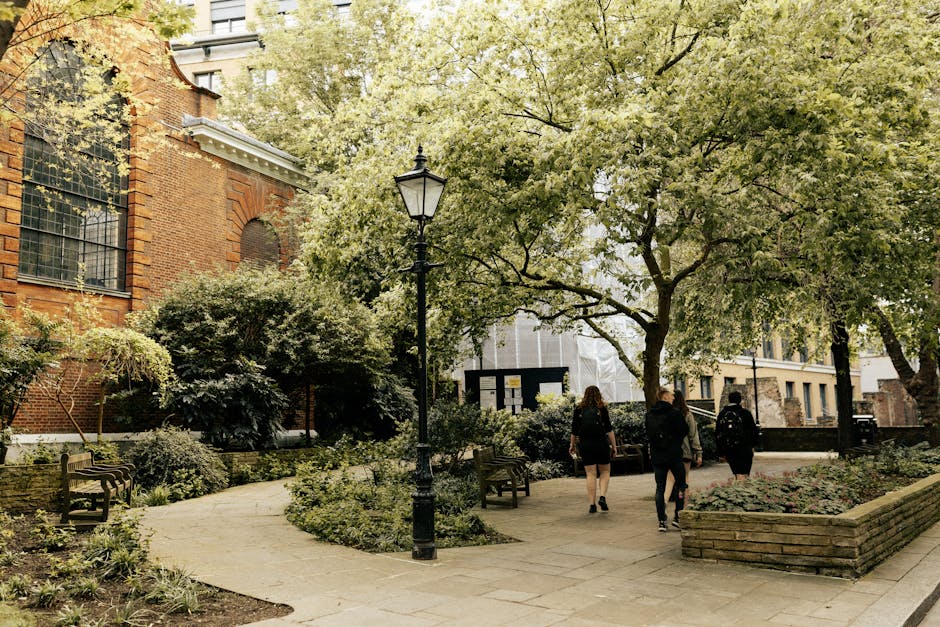
Hiring a gardener should feel straightforward: clear quote, clear scope, tidy result. Yet in real life, the bill can creep up in annoying little steps. Extra disposal fees, call-out charges, "forgotten" access costs, premium weekend rates - they add up fast. If you are comparing hidden charges to avoid when hiring Fitzrovia gardeners, this guide will help you spot the traps before they show up on the invoice.
Fitzrovia gardens and outdoor spaces can be compact, awkward to access, or attached to flats and mews properties where logistics matter as much as the planting. That means pricing needs to be transparent from the start. The good news? Most unpleasant surprises are avoidable if you know what to ask, what to check, and what a proper quote should include. Let's get into it properly.
Why hidden charges to avoid when hiring Fitzrovia gardeners Matters
Garden work looks simple from the outside. Trim the hedge, mow the lawn, clear the borders, maybe jet-wash the patio. But pricing can change once the contractor arrives and sees the real job. A small courtyard may hide a surprising amount of waste. A shared passage may require extra carrying time. A neglected garden may need more labour than first expected. None of that is unusual - but it should be discussed before the work starts.
For local homeowners, landlords, managing agents, and busy tenants, hidden charges are more than a nuisance. They make it harder to compare quotes fairly. A cheaper estimate can become more expensive than a higher one if the scope is vague. That is the heart of the problem. You are not just buying gardening time; you are buying certainty.
To be fair, not every extra cost is a bad practice. Some jobs genuinely involve more disposal, more labour, or specialist equipment. The issue is whether those costs are explained in plain English. If they are not, you can end up paying for assumptions you never agreed to.
Expert summary: A good gardening quote should make it easy to see what is included, what is excluded, and what could change the price. If any of those three things are fuzzy, pause and ask for clarification.
If you want to understand the service side better, it can also help to review the provider's pricing and quotes information alongside their terms and conditions. Those pages usually tell you more about how the company handles variation, deposits, and scope changes than a phone call ever will. And yes, the small print matters. Boring, but true.
How Hidden charges to avoid when hiring Fitzrovia gardeners Works
Hidden charges usually appear when a quote is built around guesswork instead of a properly defined job. It can happen in a few different ways:
- Initial estimate only: A rough price is given without a site visit or detailed description.
- Scope creep: Extra tasks are added on site but not clearly discussed first.
- Unbundled extras: Waste removal, materials, parking, or equipment hire are excluded from the base price.
- Time-based surprises: A job is priced "per hour" but with minimum call-out or travel charges.
- Access complications: Restricted access, stairs, long carrying distances, or loading issues trigger add-ons.
The simple version: the more detailed the job description, the less room there is for confusion. A proper gardener will usually ask about garden size, condition, access, waste, water supply, power availability, and whether any special care is needed around planting, decking, fencing, or trees. That is not fussiness. It is how you avoid awkward conversation later when the invoice lands.
In Fitzrovia especially, access can be the hidden cost nobody thinks about first. Shared entrances, limited parking, basement gardens, and tight courtyards can all affect labour time. If the job involves more than a straightforward border tidy, ask how those conditions are priced.
It is also worth distinguishing between fixed-price jobs and estimate-based jobs. A fixed price should stay fixed if the scope does not change. An estimate is more flexible and can move up or down depending on actual work. Neither is inherently bad. But you need to know which one you are being given, otherwise the maths gets slippery very quickly.
Key Benefits and Practical Advantages
Getting on top of hidden fees is not just about saving money, although that is a pretty good reason. It also makes the whole process calmer and more predictable. You can budget properly, compare providers fairly, and avoid those slightly awkward end-of-job discussions nobody enjoys.
Here are the main benefits:
- Clearer budgeting: You know what the work is likely to cost before anyone arrives.
- Better comparisons: You can compare like-for-like quotes rather than guess at the true price.
- Less dispute risk: Fewer misunderstandings mean fewer complaints later on.
- More control over scope: You can decide whether to add services like hedge trimming, lawn care, or garden clearance.
- Better quality decisions: You judge value, not just the headline figure.
There is a practical side too. When a gardener knows you expect transparency, the conversation tends to be sharper and more professional. You will often get a better breakdown of labour, materials, waste disposal, and any specialist tasks. That alone can save you time.
If your job is broader than a one-off tidy-up, it may help to look at related services such as garden maintenance, garden clearance, or lawn mowing. Those pages give a clearer idea of how different garden tasks are separated, which helps you avoid paying for the wrong thing or paying twice.
Who This Is For and When It Makes Sense
This advice is useful for almost anyone hiring local garden help, but some people need it more than others. If you are in a hurry, managing a property, or dealing with a garden that has been left a bit too long, pricing clarity becomes even more important.
It makes sense if you are:
- a homeowner wanting a one-off tidy before guests arrive
- a landlord preparing a rental property for new tenants
- a managing agent organising regular maintenance
- an older resident who wants reliable help without hassle
- a tenant checking whether the work can be completed within a fixed budget
- someone booking specialist work like hedge trimming, fencing repairs, or tree work
It also matters if the garden is small but awkward. Those jobs often look cheap at first glance, then quietly become expensive because of access, waste, or repeated visits. Small courtyard, big headache. Happens all the time.
And if you are hiring after a long gap in maintenance, the first job is usually the one most at risk of add-ons. A neglected garden can reveal hidden waste, overgrowth, broken fixtures, and soil or debris problems only once the work begins. That is normal. The key is to get that risk discussed upfront, not discovered halfway through.
Step-by-Step Guidance
Here is a simple, practical process for avoiding hidden charges before you book.
1. Describe the job in detail
Do not just say "garden tidy-up." Say what you actually want done: mowing, border weeding, hedge cutting, leaf clearance, pruning, waste removal, or patio cleaning. The clearer you are, the less chance of misunderstanding.
2. Ask for a written quote
A verbal estimate is too easy to misremember. Ask for the scope in writing, including what is included, what is not included, and whether VAT is applied. If a provider cannot explain this clearly, that is a small red flag already.
3. Check the extras
Specifically ask about:
- disposal and green waste removal
- parking or congestion-related charges
- travel or call-out fees
- minimum charge time
- materials and consumables
- equipment or machinery hire
- weekend or out-of-hours premiums
4. Confirm access and site conditions
Say whether the gardener will need to pass through the property, use stairs, carry waste a long way, or work in a shared space. If there is limited parking near the property, mention it before the visit. That tiny detail can be the difference between a smooth job and a frustrating one.
5. Ask what happens if the job changes
Sometimes a simple task becomes more involved. A hedge may be thicker than expected. A lawn may be patchy or overgrown. Ask how variations are priced before work begins. A sensible answer would explain the rate, the trigger for extra costs, and whether approval is needed first.
6. Compare value, not just price
The cheapest quote is not always the best one. A slightly higher quote with full waste removal, insured staff, and clear terms may be better value than a low headline price padded later with extras.
7. Keep the paperwork
Save the quote, message thread, and invoice. If there is a disagreement later, the paper trail matters. A lot more than people realise, honestly.
Expert Tips for Better Results
These are the small details that often make the biggest difference.
- Ask for itemisation: Even a simple breakdown can reveal hidden assumptions.
- Be wary of vague phrases: "From GBPX" or "subject to change" without explanation is not enough.
- Check waste handling: Waste disposal is one of the most common add-ons in garden work.
- Match the service to the job: A maintenance visit is not the same as a clearance job. Different workload, different price.
- Request a site visit for bigger jobs: A quick walk-around is often the best way to prevent surprises.
- Look for insurance and safety basics: A professional provider should be able to explain how they handle risk, tools, and on-site safety.
One thing we often tell people: if a quote sounds oddly perfect, ask one more question. Just one. "Does that include waste removal?" Usually, that is where the story changes. Not always, but often enough to matter.
If the work includes trees, hedges, or hard landscaping, it may be worth checking the relevant service page too, such as hedge trimming, tree surgery, or patio cleaning. Different jobs have different cost structures, and that can save you from assuming everything works the same way. It really does not.
Common Mistakes to Avoid
Most budget headaches come from a handful of avoidable mistakes. Nothing dramatic. Just ordinary oversights that snowball.
- Accepting a quote without checking what is included.
- Assuming waste removal is part of the price.
- Not mentioning access restrictions.
- Forgetting to ask about VAT.
- Confusing a one-off tidy with ongoing maintenance.
- Failing to confirm whether materials are extra.
- Booking based on a message screenshot without a proper summary.
Another common one: people focus so hard on the headline figure that they miss the practical detail. For example, a gardener may quote low for a lawn cut, but then charge separately for edging, collection, and disposal. That is not automatically unfair, but it needs to be spelled out. If it is not, you are being asked to trust a blank space. Not ideal.
Also, do not assume every service follows the same pricing logic. Lawn care can be priced very differently from garden clearance or landscape gardening. That matters when you are comparing quotes. Apples and oranges, and sometimes apples with a bucket of brambles attached.
Tools, Resources and Recommendations
You do not need specialist tools to avoid hidden charges. A bit of preparation is enough.
- A simple job list: Write down the exact tasks you want completed.
- Photos or a short video: These help show the condition of the garden before work begins.
- Measurements: Approximate garden size, hedge length, or number of beds can improve quote accuracy.
- Access notes: Gate width, stairs, narrow passages, or limited parking should be flagged early.
- Quote comparison sheet: Compare inclusions side by side, not just total price.
For a cleaner booking process, it helps to review the provider's pricing approach, payment and security information, and insurance and safety details. Those pages usually tell you whether the business is organised, transparent, and comfortable being questioned. Good sign, that.
If sustainability matters to you, you may also want to ask how green waste is handled and whether recycling practices are used where appropriate. The site's recycling and sustainability information is a sensible place to check how that side of the service is approached.
Law, Compliance, Standards, or Best Practice
This area is less about obscure legal detail and more about sensible UK business practice. A reputable gardener should be clear about pricing, terms, insurance, safety, and complaints handling. That sounds basic, but you would be surprised how often basic things get skipped.
Best practice usually includes:
- transparent quotes with clear inclusions and exclusions
- clear payment terms before work starts
- appropriate insurance for public liability and site risks
- safe handling of tools, waste, and access issues
- a visible complaints route if something goes wrong
It is also sensible to check any terms around cancellations, weather delays, deposits, and variation of work. In garden services, weather and site conditions can change things quickly. A decent provider should explain how they handle that without turning every small adjustment into a chargeable event.
If you need more confidence on the business side, a quick look at the provider's health and safety policy and complaints procedure can be very useful. Not glamorous, no, but reassuring. And reassurance is worth something when you are letting people work around your home.
Options, Methods, or Comparison Table
Here is a simple comparison of common ways garden jobs are priced and where hidden charges tend to appear.
| Pricing method | How it works | Typical risk of hidden charges | Best for |
|---|---|---|---|
| Fixed price | One agreed total for a defined job | Low if scope is clear | Well-defined tasks, tidy-ups, straightforward maintenance |
| Hourly rate | You pay for time spent on site | Medium to high if minimum hours apply | Uncertain jobs, flexible work, smaller tasks |
| Estimate | Approximate figure that may change | Medium if the job is not fully scoped | Overgrown gardens, larger clearances, mixed work |
| Task-based pricing | Each job line is priced separately | Low to medium depending on add-ons | Multiple services, such as mowing plus hedge trimming |
Fixed price often feels safest, but only if the scope is honest and complete. Hourly pricing can be fair too, especially for unpredictable work, but it needs tight communication. The trouble starts when one format is sold as another. For example, an "all-inclusive" price that turns out to exclude waste, parking, and materials is not really all-inclusive at all.
If your project includes more than routine gardening, compare service pages like fencing, decking services, and landscaping. Those jobs tend to involve different pricing logic from simple maintenance, so they are easier to misunderstand if you lump them together.
Case Study or Real-World Example
Imagine a Fitzrovia resident booking a spring tidy for a small back garden. The quote says GBP180 for "garden clean-up." Sounds neat enough. But when the team arrives, they find a large amount of cuttings, a broken planter, heavy leaf build-up, and no easy place to park. The gardener then explains that waste removal, extra labour, and access difficulties are charged separately.
Was that necessarily unfair? Not if it was explained before work began. But if the customer thought the GBP180 included everything, the final bill can feel like a sting. That is where trust disappears.
Now imagine the same job handled properly. The gardener asks for photos, confirms access, clarifies waste removal, and explains that the price covers two hours on site plus disposal of a standard amount of green waste. Anything beyond that will be agreed first. The result is the same garden work, but a much better experience. No drama, no awkwardness, no surprise invoice.
That is the real lesson. Hidden charges are usually not about malicious intent. They are often about vagueness. Remove the vagueness, and most of the problem disappears.
Practical Checklist
Use this before you say yes to any gardener:
- Have I described the job clearly and specifically?
- Do I have the quote in writing?
- Does the quote say what is included?
- Does it say what is excluded?
- Have I asked about waste removal?
- Have I checked whether VAT is included?
- Have I mentioned access or parking issues?
- Do I know what happens if the job takes longer than expected?
- Have I asked about materials, consumables, or equipment hire?
- Have I read the terms and conditions?
- Do I know how payment works?
- Would I still be happy if one extra charge appeared?
If you can tick most of those boxes, you are in a much better position. The point is not to interrogate every gardener like a detective from a TV crime drama. It is simply to remove uncertainty before it turns into cost. Small check, big difference.
If the job is ongoing rather than one-off, it may be worth exploring a regular garden maintenance arrangement so expectations stay consistent from month to month. That kind of setup often works better for both sides, because the scope becomes familiar and pricing is easier to predict.
Conclusion
Hidden charges are rarely hidden forever. In most cases, they are just unspoken. That is why the best defence is a clear quote, a careful conversation, and a willingness to ask simple questions before the work starts. You are not being difficult. You are being sensible.
For Fitzrovia properties in particular, access, disposal, and scope changes can all affect the final price, so the safest approach is to pin everything down early. Once you do that, hiring garden help becomes much easier, and usually a lot less stressful. Which, let's face it, is the whole point.
Get a free quote today and see how much you can save.
Choose transparency, keep the details tidy, and you will almost always end up with better value and a calmer experience. That's a good outcome, and a rare one in the world of surprise fees.
Frequently Asked Questions
What are the most common hidden charges when hiring Fitzrovia gardeners?
The most common extras are waste removal, parking or access charges, call-out fees, minimum-hour charges, materials, and premiums for evening or weekend work. These are not always unfair, but they should be stated clearly before you agree to anything.
Should a gardening quote include waste disposal?
Not always, but it should be made explicit either way. Some gardeners include disposal in the price, while others list it separately. If it is not mentioned, ask. Waste is one of the easiest places for a bill to grow.
How can I tell if a quote is genuine fixed price or just an estimate?
Look for plain wording. A fixed price should say the agreed amount and what it covers. An estimate will usually say it may change depending on the work found on site. If the wording is vague, ask them to define it.
Why do access issues change the cost?
Because access affects time and effort. If tools and waste have to be carried a long way, up stairs, or through shared entrances, the job takes longer. In a place like Fitzrovia, that can matter quite a bit.
Is the cheapest gardening quote usually the best value?
Not necessarily. A cheap quote can become expensive if it excludes waste removal, materials, or enough labour time. Value is about the full job, not just the headline figure.
What should be written in a gardening quote?
A good quote should show the tasks included, any exclusions, the pricing basis, payment terms, and whether VAT applies. For larger jobs, it should also note access assumptions and any conditions that could change the price.
Can gardeners charge extra if the garden is more overgrown than expected?
Yes, if that possibility was explained in advance or if the job changes materially once work begins. The key is that you should not be surprised by the extra cost. It should be agreed, or at least clearly justified.
What if a gardener adds charges after finishing the work?
Ask for a breakdown and compare it with the original quote. If something was not included and was discussed on site, the charge may be valid. If it was never mentioned, you should ask for clarification before paying.
Do I need to ask about VAT?
Yes, absolutely. Some quotes are shown inclusive of VAT, some are exclusive, and some do not mention it clearly enough. That can make a big difference to the final bill, so it is worth checking every time.
Are deposits normal for gardening work?
For larger jobs or scheduled projects, a deposit can be normal. The important part is understanding when it is due, whether it is refundable, and how it is handled if the booking changes. Read the terms carefully.
What is the safest way to compare gardeners in Fitzrovia?
Compare written quotes side by side and check exactly what is included. Look at waste, access, materials, VAT, and payment terms. Then decide on value, not just price. That approach saves a lot of regret later.
Where can I check a provider's trust and process details?
Look at pages such as about the company, insurance and safety, and complaints procedure. They help you understand how the business works and how seriously it takes customer care.
What if I only need a one-off tidy-up?
One-off tidy-ups are often where hidden fees show up first, because the scope can be unclear. Be very specific about the tasks, ask about waste removal, and request a written confirmation before the visit. A little clarity goes a long way.