Charlotte Street Fitzrovia garden maintenance guide
If you look after a garden near Charlotte Street in Fitzrovia, you already know it is a different kind of outdoor space. Tight access, shade from tall buildings, patchy sun, dry corners, wind tunnels, container planting, and the occasional bit of urban dust all change the game. A good Charlotte Street Fitzrovia garden maintenance guide is not just about mowing and sweeping. It is about keeping a small London garden healthy, tidy, resilient, and actually pleasant to use, week after week.
Whether you are managing a compact courtyard, a front garden, a roof terrace, or a shared residential space, the right maintenance routine saves time and reduces expensive fixes later. It also helps you make better decisions: what to plant, what to cut back, when to water, and when to bring in help. Let's face it, a city garden can go from polished to messy surprisingly fast. The good news? With the right rhythm, it becomes much easier to stay on top of it.
This guide walks through the practical side of Charlotte Street Fitzrovia garden maintenance in plain English. You will find a step-by-step approach, seasonal priorities, common mistakes, useful tools, and the sort of local reality checks that make all the difference in central London.
Table of Contents
- Why Charlotte Street Fitzrovia garden maintenance guide Matters
- How Charlotte Street Fitzrovia garden maintenance guide Works
- Key Benefits and Practical Advantages
- Who This Is For and When It Makes Sense
- Step-by-Step Guidance
- Expert Tips for Better Results
- Common Mistakes to Avoid
- Tools, Resources and Recommendations
- Law, Compliance, Standards, or Best Practice
- Options, Methods, or Comparison Table
- Case Study or Real-World Example
- Practical Checklist
- Conclusion
- Frequently Asked Questions
Why Charlotte Street Fitzrovia garden maintenance guide Matters
Gardens around Charlotte Street sit in one of the busiest, most built-up parts of central London. That means they face pressures that suburban gardens often do not: reduced airflow, reflected heat from stone and brick, shade from neighbouring buildings, compact planting areas, and a lot of foot traffic if the space is shared. A maintenance plan keeps those pressures from turning into problems.
In practical terms, regular care protects plant health, keeps surfaces safe, improves the look of the property, and stops minor issues becoming big ones. A small weed patch on a patio, a clogged drain, or an overgrown hedge might seem harmless for a week or two. Then suddenly the space feels neglected. Maintenance is really about staying ahead of that slide.
There is also a value side. A tidy, well-kept garden can make a terrace, courtyard, or frontage feel larger and more usable. In Fitzrovia, where space is precious, that matters. A clean planting scheme, healthy edging, and disciplined pruning can make even a modest area feel calm and considered.
For many property owners, landlords, and resident associations, garden care is also about reputation. First impressions count. An orderly outdoor space tells people the building is looked after. That is a small thing until it is not.
How Charlotte Street Fitzrovia garden maintenance guide Works
A good garden maintenance routine is not a single job. It is a cycle. The exact tasks depend on the layout and planting, but the logic stays the same: inspect, tidy, prune, feed, water, and reset.
For a Fitzrovia garden, the work often revolves around a few recurring tasks:
- keeping paths, patios, and steps clear of leaves, algae, and debris
- controlling weeds before they root deeply in joints or beds
- pruning shrubs, climbers, and hedges so they do not dominate small spaces
- checking irrigation, water retention, and drainage after dry or wet spells
- refreshing containers, compost, and mulch to support healthy growth
- watching for pests, disease, and stress caused by shade or wind
In a city setting, maintenance is often more about precision than brute force. A heavy-handed cut can make a small garden look bare. Miss one drainage issue, though, and you can end up with soggy pots or slippery paving. The best approach is measured and consistent.
Many clients also use a layered service model. For example, a monthly visit may cover general upkeep, while seasonal sessions handle hedge trimming, lawn treatment, replanting, or patio washing. If a garden has multiple materials and features, it is often sensible to combine services such as routine garden maintenance, lawn care, and patio cleaning rather than treating each element in isolation.
That mixed approach is usually what keeps a compact outdoor space looking cared for without becoming a never-ending chore.
Key Benefits and Practical Advantages
The benefits of a disciplined maintenance routine are straightforward, but the real-life payoff is often broader than people expect.
- Better plant health: regular pruning, deadheading, feeding, and watering help plants perform properly.
- Cleaner presentation: small city gardens can look sharp with surprisingly little intervention when they are maintained well.
- Lower repair costs: cleaning surfaces, clearing drains, and catching rot or dieback early prevents avoidable damage.
- Safer access: mossy paving, loose leaves, and hidden trip hazards are dealt with before they become a nuisance.
- Better use of space: a well-planned garden feels more open, more organised, and easier to enjoy.
- Stronger seasonal resilience: plants recover better from London heat, wind, and winter cold when maintenance is steady.
There is also a quieter benefit: peace of mind. You stop looking at the garden and thinking, "I really should get round to that." That mental load disappears. Not glamorous, maybe, but hugely valuable.
For shared buildings or managed properties, consistency also makes budgeting easier. You can schedule work before things become urgent. That means fewer panicked calls after a storm or a holiday closure.
Who This Is For and When It Makes Sense
This guide is useful for a wide range of people, but especially for anyone responsible for a garden in central London where space is limited and standards still matter.
- Homeowners who want a low-stress way to keep their outdoor space presentable
- Landlords and letting agents looking after front gardens, communal courtyards, or terrace spaces
- Residents' associations managing shared planting beds, access routes, or courtyard planting
- Small business owners using outdoor greenery to soften an entrance or customer-facing area
- Busy professionals who want a good-looking garden without spending every weekend on it
It makes sense to formalise a maintenance routine when any of the following start happening:
- the space looks neat only right after you clean it, then slides back quickly
- weeds keep reappearing in the same places
- plants are surviving, but not thriving
- the patio gets slippery or stained after damp weather
- hedges and climbers are beginning to encroach on windows, fences, or paths
If that sounds familiar, you are not alone. Urban gardens often need more structure, not more effort. Oddly enough, once there is a plan, the whole thing gets easier.
Step-by-Step Guidance
Here is a practical structure you can use for a Charlotte Street Fitzrovia garden. It works whether you are doing the work yourself or briefing a gardener.
1. Start with a proper inspection
Walk the whole space slowly. Look at the planting, the hard surfaces, drainage points, access routes, and any features such as raised beds or planters. Check for yellowing leaves, compacted soil, broken pots, leaning stems, slippery patches, and overcrowded areas.
A lot of maintenance mistakes begin with skipping this first step. If you do not know what the garden needs, you end up doing a bit of everything and fixing nothing.
2. Tidy hard surfaces first
Clear leaves, litter, and debris from patios, steps, and paths. Sweep out corners and wash down areas where algae gathers. In shaded Fitzrovia spaces, paving often needs a little more attention because it stays damp for longer than you would expect.
3. Deal with weeds before they spread
Remove weeds from borders, paving joints, and container edges before they seed. For a more detailed approach, it is worth reading about effective plans for limiting weed proliferation. The main rule is simple: small weeds are a five-minute job, large weeds become a project.
4. Prune with a purpose
Cut back dead, damaged, or crossing growth. Shape shrubs gently so they keep their natural outline. For hedges and screening plants, use the right timing and do not remove too much at once. If privacy matters in your garden, a careful trimming cycle can make a huge difference, and the firm's dedicated hedge trimming Fitzrovia service may be worth considering when the work gets too tall or too dense.
5. Feed and refresh the soil
Small gardens often live or die by container soil quality. Pots and raised beds can dry out quickly, especially near warm walls or sheltered balconies. Add compost where needed, replace tired top layers, and mulch to protect moisture. If you are trying to reduce waste while improving soil structure, the article on turning waste into humus is a helpful companion read.
6. Water smartly, not just more often
Water deeply and less frequently where possible, rather than giving little splashes every day. Containers may need more regular attention than borders, especially in summer. Morning watering is usually more effective because less moisture is lost to evaporation. And yes, sometimes the difference between a thriving pot and a sulky one is just a consistent routine. Gardening can be annoyingly simple like that.
7. Check plants for stress and disease
Look for spots on leaves, curled growth, mildew, aphids, or stems that feel weak and dry. Not every issue needs a dramatic intervention. Sometimes it is shade, dryness, root crowding, or poor airflow. A quick correction early on can save a plant.
8. Finish with detail work
Edge borders, arrange pots neatly, wipe down furniture if you have seating, and remove anything broken or no longer useful. The finishing stage is often what makes a space feel truly maintained rather than simply cleaned.
Expert Tips for Better Results
Good garden maintenance is partly about technique and partly about observation. You start noticing patterns. Which corner dries first. Which pot always needs extra water. Which shrub flops after a windy spell. That kind of knowledge is gold.
- Use the garden's microclimates. In Fitzrovia, shaded walls, sheltered corners, and wind-exposed edges can behave very differently. Match plants to those spots instead of forcing one approach everywhere.
- Choose maintenance-friendly planting. If you want less work, use species that suit the site. Ground cover can help reduce exposed soil and weeds; see ground cover selections for UK gardens for ideas.
- Keep a little margin in your schedule. City gardens change fast after wind, rain, or heat. Leave room for unexpected tidy-ups.
- Do not overfeed. Overly rich feeding can push weak, floppy growth. A balanced approach is better for most small gardens.
- Stay on top of vertical surfaces. Climbers and screens can transform a tight urban garden, but they need guiding. If shade is part of your problem, take a look at evergreen climbers for dark corners.
- Think in layers. Ground cover, mid-height planting, and climbers create depth. That is especially useful where the garden is narrow.
One small but useful habit: take a photo after each maintenance visit. It sounds a bit fussy, but it helps you see what changed and spot patterns over time. Also, it stops the whole thing blurring together. Easy to forget, otherwise.
If you are planning a more sustainable setup, it may also help to read about gardening as a beacon of hope in climate change. That piece fits nicely with a low-waste, soil-first maintenance mindset.
Common Mistakes to Avoid
Most garden issues in small London spaces do not happen because people do nothing. They happen because the wrong thing gets done at the wrong time.
- Over-pruning: cutting too much off can leave plants exposed, stressed, and uneven.
- Ignoring drainage: waterlogged pots, blocked channels, and compacted soil are common in urban spaces.
- Letting weeds establish: once they root deeply, they are slower and more irritating to deal with.
- Using the wrong plant in the wrong place: a sun-loving plant in deep shade will struggle, no matter how attentive you are.
- Forgetting winter prep: frost and persistent wet can damage containers and sensitive plants. The article protect your plants during winter is worth a look before the cold sets in.
- Assuming low-maintenance means no maintenance: that phrase is a bit of a trap. Low-maintenance planting still needs watching.
One of the easiest mistakes to make in a small garden is trying to do everything at once. It feels efficient. It rarely is. Better to give each job a proper pass and leave the rest for next time.
Another common issue is relying on a single annual tidy-up. That works for a while, then the garden starts asking questions you do not want to answer.
Tools, Resources and Recommendations
You do not need a van full of specialist equipment for a Fitzrovia garden, but a small, reliable toolkit makes maintenance much easier.
- Hand pruners: for precise trimming of soft growth and small stems
- Secateurs and loppers: useful for shrubs, thicker shoots, and light woody growth
- Stiff broom and leaf rake: for hard surfaces and seasonal debris
- Watering can or hose setup: for consistent watering in containers and beds
- Gloves: practical, simple, and always worth having
- Compost and mulch: essential for keeping planting medium in good condition
- Simple notebook or phone notes: to track what you cut, fed, planted, or replaced
If you are still building your kit, the guide on must-have gear for every gardening enthusiast is a sensible starting point. For people working with smaller plots or balconies, container gardening in small spaces can also help you make better use of the available area.
There is a strategic side to plant choice too. If you are reworking a tired area, the piece on rejuvenating a neglected garden area is useful because it shows how to build back structure without overcomplicating it. For visual screening, the guide to quick-growing hedge species for privacy can help you think beyond the obvious options.
And if you are planning a broader refresh, you may also want to look at gardening services, landscaping, or lawn mowing depending on the shape of the space. The right support depends on what the garden actually needs, not just what sounds convenient.
Law, Compliance, Standards, or Best Practice
For most domestic gardens, the main compliance issues are practical and safety-related rather than highly technical. That said, best practice still matters, especially in shared or managed buildings.
Key points to bear in mind include:
- Work safely at height: tall hedge trimming, tree work, and ladder use should be handled carefully. If a task involves risk, it is better left to trained professionals.
- Respect access routes: in shared properties, keep paths and entrances usable during work.
- Dispose of waste properly: green waste, soil, and removed material should be managed responsibly.
- Protect neighbours and users: avoid creating unnecessary noise, debris, or trip hazards.
- Use sensible protective equipment: gloves, eye protection, sturdy footwear, and safe lifting habits all matter.
Where service providers are involved, it is also sensible to check the basics: insurance, safety process, payment security, and complaint handling. Those details may not sound exciting, but they are part of a trustworthy service. You can review the site's insurance and safety, health and safety policy, payment and security, terms and conditions, and complaints procedure if you are comparing providers or arranging regular work.
That may sound like admin, but it helps keep everything clear. Clear is good. Especially with property work.
Options, Methods, or Comparison Table
Different gardens need different maintenance styles. Here is a simple comparison to help you judge what fits your space.
| Approach | Best for | Strengths | Trade-offs |
|---|---|---|---|
| Weekly light upkeep | Small private gardens, balconies, tidy courtyards | Keeps the garden consistently neat; easier to manage weeds and debris | Needs regular attention and discipline |
| Fortnightly maintenance | Balanced routine for most central London gardens | Good compromise between cost and presentation; practical for busy households | Some fast-growing plants may need extra checks in peak season |
| Seasonal deep cleans | Low-use spaces or properties with limited budgets | Useful for reset work, pruning, and larger tidy-ups | Gardens can slip between visits if growth is fast |
| Full-service garden care | Communal gardens, premium homes, time-poor owners | Comprehensive and consistent; good for mixed tasks and specialist work | Higher ongoing investment |
If your space includes trees, structural planting, or overgrown boundary growth, you may need specialist help for specific tasks rather than a general tidy. In those cases, services like tree surgery or fencing can be relevant alongside routine maintenance. For lawns, a dedicated lawn care approach usually outperforms occasional mowing alone.
Case Study or Real-World Example
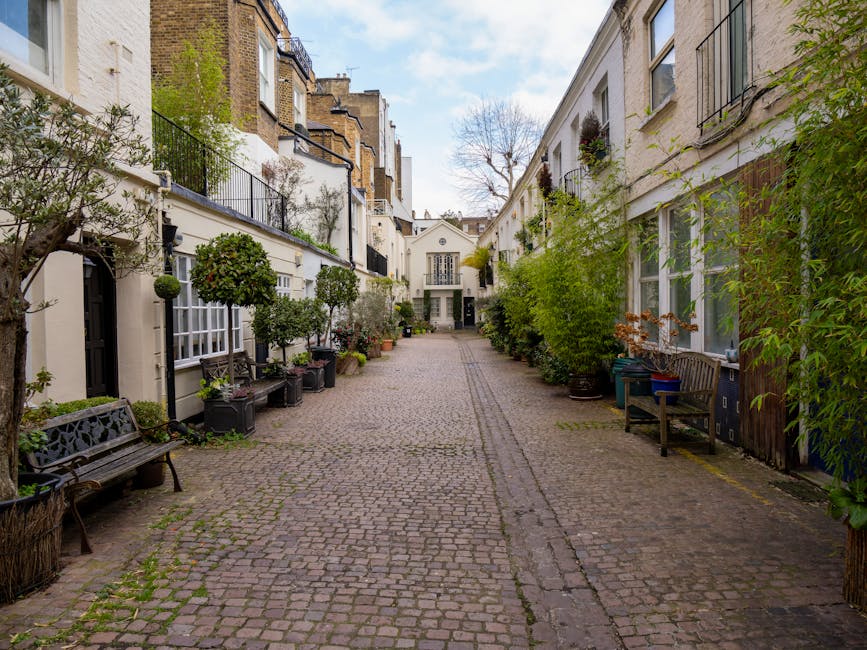
Picture a typical Fitzrovia courtyard: one seating area, a few containers, two climbers, a narrow border, and a small paved section that catches morning shade. On paper, it sounds simple. In practice, it can drift into clutter fast.
The first sign is usually not dramatic. A couple of weeds in the paving. One pot drying out before the others. A climber leaning a little too far into the path. Nothing urgent. But after a month or two, the whole space begins to feel tighter and less inviting.
A sensible maintenance reset would look like this:
- remove debris and sweep hard surfaces clean
- cut back the climbers just enough to restore shape and light
- replace tired compost in containers
- refresh the border with mulch or new low-maintenance planting
- check drainage around the paved section
- set a fortnightly light-maintenance rhythm to prevent the same issues returning
The change is often bigger than expected. The space feels calmer, brighter, and easier to use. A small garden rarely needs more stuff. Usually it needs clearer structure. That is the trick, really.
If the garden is in a neglected state, the article on rejuvenating a neglected garden area offers a good mindset for starting from scratch without making the project feel overwhelming.
Practical Checklist
Use this checklist for a quick maintenance pass. It is simple, but it covers the jobs that tend to matter most.
- Inspect all beds, containers, and paved areas
- Remove visible weeds before they seed
- Sweep patios, steps, and entrances
- Check for slippery algae or standing water
- Prune dead, broken, or overcrowded growth
- Water containers and dry borders as needed
- Refresh compost, mulch, or top dressing
- Deadhead spent flowers where relevant
- Check for pest or disease symptoms
- Review any trellis, supports, or ties
- Clear fallen leaves from corners and drains
- Make a note of anything needing specialist attention
Expert summary: in a Charlotte Street Fitzrovia garden, the best maintenance plan is usually the one that is consistent, light-touch, and realistic. Keep the space clean, shape planting before it gets unruly, and make small corrections early. That is how compact urban gardens stay elegant without becoming a burden.
If you would like tailored help with your garden's upkeep, a friendly next step is to get in touch with the team and talk through the space, your priorities, and how often it needs attention.
Get a free quote today and see how much you can save.
Conclusion
A Charlotte Street Fitzrovia garden maintenance guide should do more than keep things neat. It should help you understand the rhythms of a central London garden, spot trouble early, and make choices that suit a smaller, more demanding space. When the routine is right, the garden becomes easier to live with and far more enjoyable to spend time in.
That is the real aim: not perfection, just a space that feels cared for, calm, and ready when you want it. A good garden in Fitzrovia does not shout. It simply works. And honestly, that is enough.
On a wet morning or a warm late afternoon, when the leaves are clean and the planting is settled, you can really feel the difference. Quietly lovely, that sort of space.
Frequently Asked Questions
What does a Charlotte Street Fitzrovia garden maintenance guide usually include?
It usually covers pruning, weeding, sweeping, watering, feeding, seasonal tidy-ups, surface cleaning, and checks for pests, disease, or drainage problems. In a central London garden, the guide also needs to account for shade, wind, and limited space.
How often should a small Fitzrovia garden be maintained?
Most small gardens benefit from light weekly or fortnightly care, with seasonal deeper work as needed. If the garden has fast-growing climbers, many containers, or a lawn, it may need more frequent attention in spring and summer.
Is garden maintenance different in central London compared with suburban areas?
Yes. Central London gardens often deal with more shade, harder-to-reach access, drying walls, and less room for waste or storage. That means maintenance tends to focus more on precision, plant choice, and keeping surfaces clear.
What are the most common problems in Charlotte Street Fitzrovia gardens?
Weeds in paving, tired containers, poor drainage, overgrown climbers, moss on shaded surfaces, and plants struggling with inconsistent watering are all common. Crowding is also a big issue where the space is narrow.
Can I manage a Fitzrovia garden myself, or do I need professional help?
You can manage many routine tasks yourself if the garden is small and simple. Professional help makes more sense when the work involves tall hedges, tree care, repeated weed pressure, heavy patio cleaning, or when you simply do not have the time.
What should I prioritise first if my garden looks untidy?
Start with hard surfaces, then tackle weeds, then prune anything overgrown. After that, refresh soil and containers. A tidy framework makes the whole garden look better very quickly.
How do I keep a shaded garden healthy?
Choose shade-tolerant plants, avoid overwatering, improve airflow where possible, and remove debris regularly so damp does not linger. The guide to evergreen climbers for dark corners can be helpful if vertical greenery is part of your plan.
What is the best way to reduce weeds in a small city garden?
Consistency is the key. Remove weeds early, keep soil covered with mulch or plants where suitable, and inspect paving joints and border edges often. A few minutes each visit saves a lot of work later.
Do I need different maintenance in winter?
Yes. Winter maintenance usually focuses on protection: removing excess water, checking for frost damage, securing pots, reducing exposure to wind, and cleaning surfaces so they do not become slippery. Sensitive plants often need extra care.
What kind of garden work should be left to specialists?
Anything involving significant height, heavy pruning, tree work, structural repairs, or access risk is best left to specialists. If a job feels awkward or unsafe, that is usually your cue to stop and get help.
How can I make a small Fitzrovia garden look bigger?
Keep the layout simple, use vertical planting, avoid overcrowding, and choose a few strong focal points instead of lots of small cluttered features. Clean lines and consistent maintenance make a compact space feel more open.
Where should I start if my garden has been neglected for a while?
Start with a full clear-up and basic safety check, then prune, weed, and refresh the soil. For bigger resets, the neglected-garden guide is a useful companion, and a professional visit can save time if the space needs a lot of work.
How do I choose between regular maintenance and one-off garden clearance?
Use regular maintenance if the goal is to keep the garden consistently neat and healthy. Choose one-off clearance if the space needs a reset first. In many cases, people start with a bigger tidy-up and then switch to an ongoing routine.
Are there any trust or safety checks I should look for in a gardening service?
Yes. Look for clear pricing, insurance, health and safety information, sensible payment terms, and a proper complaints procedure. Those basics tell you a lot about how a service operates.