
 020 3744 3778
How to Maintain a Thriving Garden Despite Severe Weather
Posted on 06/06/2025
How to Maintain a Thriving Garden Despite Severe Weather
Gardening is a rewarding pursuit, but one that comes with natural challenges, especially in regions prone to severe weather conditions. Extreme heatwaves, torrential rains, frosts, storms, or droughts can all threaten the health of your plants. However, with the right strategies, you can safeguard your garden's vitality and maintain a thriving garden despite severe weather. In this comprehensive guide, we'll explore expert tips, innovative solutions, and best practices to help your garden flourish no matter what nature throws your way.
Understanding the Impact of Severe Weather on Your Garden
Before you can effectively protect your garden, it's important to recognize the specific threats that various types of severe weather pose. Whether you're an experienced horticulturist or an enthusiastic beginner, awareness is the first step toward resilience.
Common Types of Severe Weather and Their Effects
- Heavy Rain and Flooding: Can lead to soil erosion, root rot, and nutrient leaching.
- Drought and Heatwaves: Cause dehydration, scorch plant leaves, and stunt growth.
- Frost and Snow: Damage plant tissues, kill vulnerable varieties, and disrupt budding cycles.
- High Winds and Storms: Uproot plants, snap stems, and strip foliage.
- Hail: Bruises fruit and breaks delicate branches.
Understanding these hazards allows you to prepare and develop countermeasures. Let's delve into actionable tips for maintaining a healthy garden despite challenging weather patterns.

Building Resilience: How to Weatherproof Your Garden
1. Choose the Right Plants and Varieties
- Select hardy species: Opt for plants known to withstand local climatic extremes. Native plants are usually better adapted and more resilient.
- Focus on diversity: A mix of perennials, annuals, shrubs, and groundcovers helps buffer against loss from any single weather event.
- Research climate compatibility: Consider drought-tolerant varieties if you're prone to dry spells, or water-loving plants for wetter climates.
2. Soil Preparation and Care
Healthy soil is critical when you're learning how to keep a garden thriving despite severe weather. Well-structured soil retains water during dry periods and drains efficiently during heavy rains.
- Amend soil regularly: Mix in organic compost, manure, and mulch to improve both water retention and drainage.
- Practice deep mulching: A 2-4 inch layer of organic mulch insulates plant roots, conserves moisture, and suppresses weeds.
- Test and adjust: Monitor your soil pH and nutrient levels to address deficiencies promptly.
3. Mulching: Your Garden's Armor Against Extremes
Mulch acts as a thermal blanket in winter and reduces evaporation during summer heatwaves. It shields roots from temperature fluctuations and minimizes soil erosion during storms.
- Apply mulch early, especially before peak heat or cold seasons.
- Choose organic materials like straw, wood chips, or shredded leaves for maximum benefit.
- Replenish mulch yearly to keep protection effective.
Protecting Your Garden During Severe Weather Events
4. Practical Steps to Minimize Damage
Heatwaves and Drought: Keep Your Plants Hydrated
- Irrigate deeply and infrequently: This encourages deep root growth, making plants more resilient to dry spells.
- Water early or late: Water your garden in the early morning or late evening to reduce evaporation.
- Install drip irrigation: This targeted method delivers water directly to roots, where it's needed most.
- Use shade cloth, umbrellas, or old bed sheets to temporarily screen plants during extreme sunshine.
Heavy Rain, Flooding, and Erosion
- Improve drainage: Raise garden beds or incorporate gravel, sand, and compost to avoid waterlogging.
- Install rain barrels or diverters: Collect excess rain for later use and control runoff.
- Build swales and berms: Direct the flow of water and reduce flooding risks.
- Stabilize slopes with groundcovers and deep-rooted plants to combat erosion.
Frost and Winter Storms
- Cover vulnerable crops: Use frost cloths, tunnels, or even plastic bottles cut in half to insulate tender plants.
- Mulch heavily around the base of shrubs and trees to protect root zones.
- Water before a freeze: Moist soil holds heat better than dry soil, safeguarding plant roots.
- Move potted plants: Relocate them indoors or to a sheltered spot before cold snaps.
Wind and Hail Protection
- Install windbreaks: Erect fences, plant hedges, or strategically place screens for shelter.
- Stake young trees and top-heavy plants for added stability.
- For hail-prone regions, use netting, mesh, or temporary coverings when storms are forecasted.
The Importance of Ongoing Monitoring and Adaptation
5. Regular Garden Inspection and Maintenance
After a severe event, a prompt garden check is essential. Look for early signs of stress--wilting, leaf discoloration, or pest infestation. Address them promptly to prevent further decline.
- Remove damaged or diseased material: Prune away broken branches and clear debris to prevent spread of disease.
- Replenish mulch and compost to restore lost nutrients.
- Check roots and stems: Re-stake or support plants as needed.
6. Flexible Planning and Seasonal Adjustments
Gardens are dynamic, requiring ongoing adjustments to stay resilient. Try these strategies for adapting to unpredictable conditions:
- Rotate crops: This reduces pest buildup and improves soil health.
- Keep backup seeds and transplants: Quick replanting after an event helps maintain yields.
- Plant in phases or zones for staggered harvesting, which minimizes complete crop loss after a single storm.
- Keep a gardening journal: Note what works, document failures, and track changing weather patterns. This record helps with long-term planning.
Utilizing Technology and Community Resources
7. Smart Gardening Tools and Forecasting
- Soil moisture sensors: These handy devices alert you when your garden needs watering, preventing both over- and under-watering.
- Automatic timers and irrigation systems streamline water management tasks.
- Weather apps and alerts: Subscribe to local weather services for advance warnings about storms, hail, or heatwaves. React early to safeguard your garden.
8. Get Community Support
- Join local gardening groups or online forums to exchange ideas and disaster-recovery tips.
- Leverage shared resources: Community toolsheds, seed swaps, and plant exchanges can help rebuild after setbacks.
- Consult with extension services or local horticultural societies for advice tailored to your region's climate.
Sustainable Practices for Long-Term Resilience
Embrace Water Conservation
- Install rainwater harvesting systems to build reserves during wet periods.
- Use greywater responsibly: Water non-edible plants with collected household water from baths or sinks (where regulations allow).
- Employ drought-tolerant landscaping ("xeriscaping") for areas hardest hit by dry spells.
Compost and Recycle
- Maintain a rich compost pile to enhance soil fertility and structure year after year.
- Recycle plant material: Use clippings and fallen leaves as mulch or in new compost to close the nutrient loop.
Pollinator and Wildlife Support
- Attract pollinators with nectar-rich flowers: This increases yields and supports biodiversity.
- Install bird boxes and insect hotels to encourage helpful species that manage pests naturally.
Frequently Asked Questions: Gardening Through Severe Weather
What are the most resilient garden plants for extreme weather?
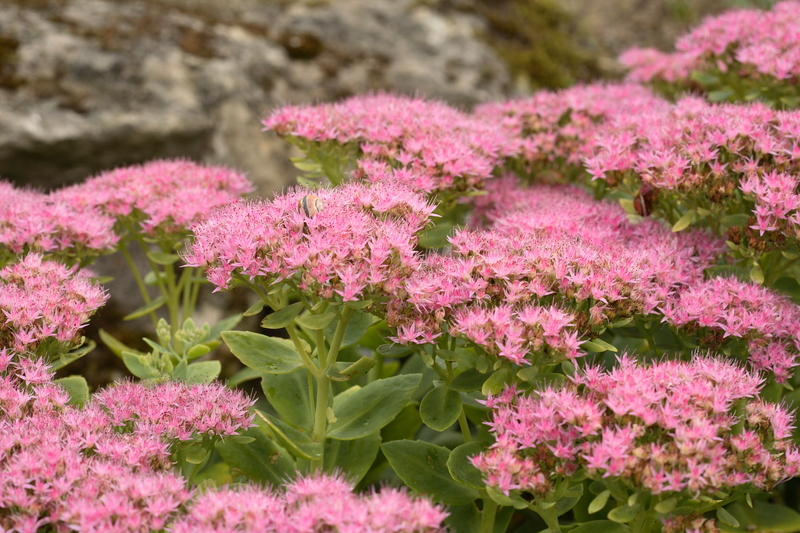
*Sedums, ornamental grasses, daylilies, lavender, and echinacea are all notable for their drought tolerance. For wet climates, consider irises, marsh marigold, or hostas. Many native shrubs like serviceberry and sumac withstand fluctuating conditions remarkably well.*
How can I prepare my vegetable garden for sudden heatwaves?
*Provide temporary shade, water deeply in the cool hours, mulch heavily, and avoid fertilizing during intense heat, as it may overstress plants.*
Should I change my planting schedule because of unpredictable weather?
*Flexibility is key! Keep an eye on long-term forecasts and be ready to adjust planting times a few weeks earlier or later than usual. Using raised beds and season extenders like hoop houses can help buffer against unreliable weather.*
Conclusion: Cultivating Perseverance Alongside Your Plants
While severe weather presents significant obstacles, you can maintain a thriving garden despite severe weather with preparation, observation, and adaptability. The keys lie in selecting robust plants, building resilient soil, implementing protective measures, and staying informed. By integrating both traditional and modern techniques, your garden can better withstand whatever nature has in store. Remember, every challenge in the garden is an opportunity to learn and grow--both for your plants and for yourself as a gardener.
With thoughtful planning and ongoing care, it's possible to not only survive but to see your garden truly flourish, season after season, regardless of what the forecast says.
Latest Posts
Nurture Your Passion: 9 Essential Tips for Beginner Gardeners
From Frost to Thrive: Protect Your Plants During Winter
Sustainable Vertical Gardening for Urban Spaces