 020 3744 3778
Nurture Your Passion: 9 Essential Tips for Beginner Gardeners
Posted on 28/09/2025
Nurture Your Passion: 9 Essential Tips for Beginner Gardeners
Gardening is a rewarding pursuit that offers relaxation, fresh air, and the incomparable delight of watching your efforts blossom into beautiful flowers, delicious vegetables, and lush greenery. Whether you're starting small on a balcony or laying out wide flower beds, mastering the basics is key to long-term success. If you're ready to grow your gardening skills, these essential tips for beginner gardeners will set your green thumb on the path to success.
Why Cultivate a Passion for Gardening?
Embracing the world of gardening unlocks a multitude of benefits. Gardening isn't just about putting plants into the ground; it's a holistic activity with profound rewards:
- Stress Relief: Digging in the soil and tending to plants is therapeutic and calming.
- Physical Activity: Gardening promotes gentle exercise, enhancing flexibility and strength.
- Connection to Nature: Gardening fosters a sense of harmony with the natural world.
- Self-Sufficiency: Growing your own vegetables and herbs provides fresh, homegrown food.
Ready to dive in? Here are nine essential gardening tips designed to nurture your passion and help you avoid beginner pitfalls.
1. Understand Your Gardening Zone and Climate
Knowing your hardiness zone is one of the most crucial pieces of information for budding gardeners. Hardiness zones divide regions based on climate, temperature, and the plants that can thrive there.
- Find your zone: Check the USDA or local resources online to locate your gardening region.
- Plant wisely: Choose species recommended for your specific climate, as some plants won't survive outside their optimal environment.
Bonus Tip: *Microclimates* within your own yard, such as sunny spots, shaded corners, or wind-sheltered areas, can expand what you're able to grow. Pay close attention to these subtle differences.
2. Start with the Right Tools
*Every hobby needs the right equipment*, and gardening is no exception. Investing in a few basic, high-quality tools can transform your experience and help you maintain healthy plants.
Essential Gardening Tools for Beginners:
- Trowel: For digging and planting in small spaces.
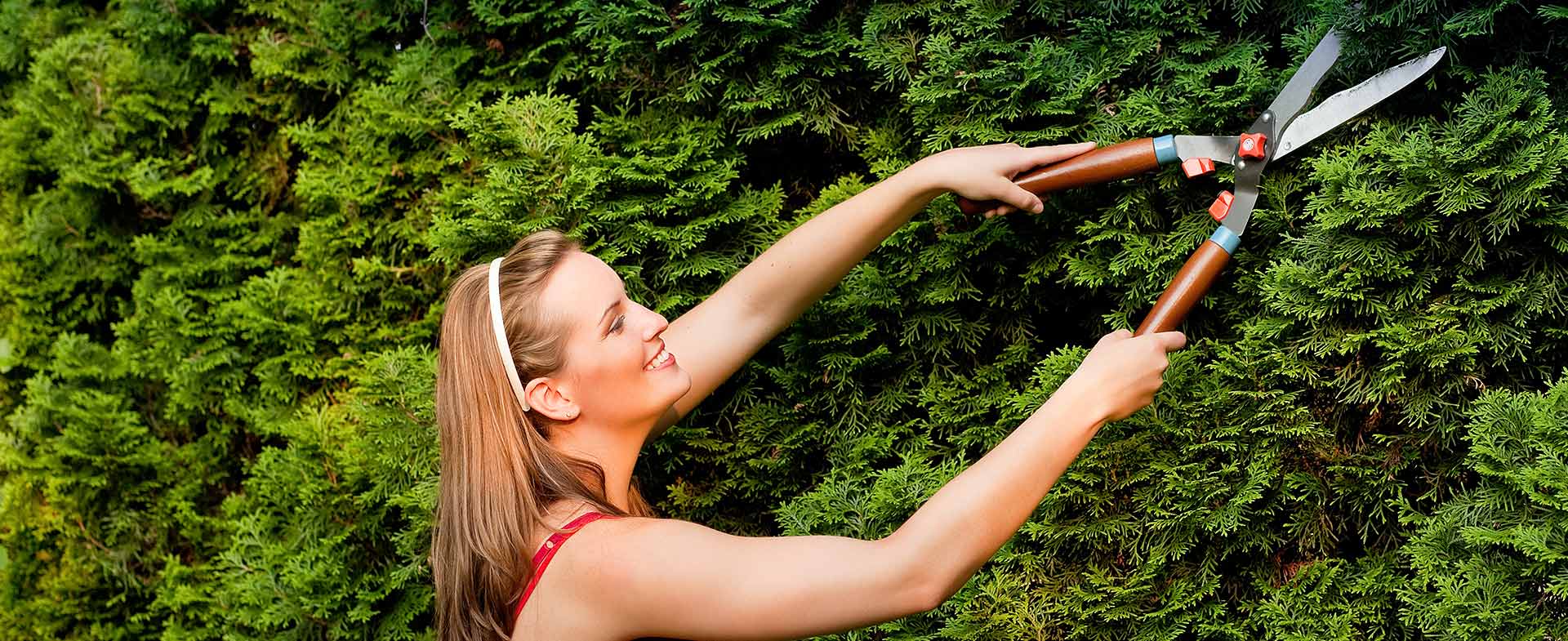
- Pruners or Shears: For trimming and shaping.
- Garden Gloves: Protect hands while you work with soil and plants.
- Watering Can or Hose: Essential for keeping your plants hydrated.
- Rake: Helps manage leaves or smooth out soil.
Choose ergonomically-designed tools to prevent hand fatigue and ensure you'll be comfortable as you nurture your first garden.
3. Set Realistic Goals
The excitement of gardening can sometimes lead to overambition. Instead of attempting a massive transformation all at once, set achievable goals. Decide whether you want to grow flowers, vegetables, or herbs and start with a manageable area.
Tips on Goal Setting for First-Time Gardeners:
- Start Small: A few containers or a raised bed is perfect for learning and experimentation.
- Prioritize Easy-Grow Plants: Sunflowers, marigolds, lettuce, and radishes are forgiving for new gardeners.
- Expand Gradually: As your skills and confidence grow, so can your garden.
Remember: Success early on will nurture your gardening passion and encourage you to try new and exciting projects.
4. Learn About Your Soil
Understanding your soil type is fundamental for healthy plants. Soil directly influences nutrient availability, water drainage, and how well roots can grow.
- Test your soil: Simple soil test kits from garden centers can reveal pH and nutrient levels.
- Amend accordingly: If your soil is too sandy, add organic compost for moisture retention. Clay-heavy soils benefit from sand, compost, or aged manure to improve drainage.
*Tip: Healthy soil equals healthy plants.* The more attention you give your soil, the more abundant and resilient your garden will be.
5. Master the Art of Watering
Many new gardeners worry about over or under-watering. Both can harm your plants. Here's how to develop an effective watering routine for beginner gardeners:
- Check the soil: Stick your finger one inch below the surface. If the soil feels dry, it's time to water.
- Water deeply and less frequently: Deep watering encourages strong, deep roots and prevents shallow surface growth.
- Water early: Do your watering in the morning so plants can absorb moisture before the sun evaporates it.
Pro Tip: Group plants with similar water requirements together. This makes watering more efficient and reduces the risk of overwatering or underwatering certain species.
6. Embrace Organic Mulching
Mulching is a game-changer for garden beginners. A layer of mulch helps keep the soil moist, suppresses weeds, and regulates temperature.
- Natural choices: Use bark, straw, grass clippings, or compost as mulch.
- Mulch early: Apply mulch once your seedlings are established but before weeds have taken hold.
With regular mulching, your plants stay healthier and your garden requires far less maintenance--perfect for those learning the ropes.
7. Feed Your Soil & Plants Properly
Both soil and plants need regular nutrition. Fertilizing correctly ensures vigorous growth and abundant yields.
- Choose the right fertilizer: Vegetable gardens and flowering plants may require different NPK (Nitrogen-Phosphorus-Potassium) balances.
- Start with compost: Organic compost is gentle, improves soil structure, and provides a variety of nutrients.
- Follow label instructions: Over-fertilizing can damage roots and harm your garden--use just what's needed.
Nurturing your soil is an ongoing process that pays off with every season, making your beginner gardening journey increasingly rewarding.
8. Observe, Learn, and Adapt
Observation is one of the most underestimated skills in gardening. Take time to stroll through your garden, watch plant progress, and note changes.
- Take notes: Keep a gardening journal with planting dates, weather, successes, and setbacks.
- Research common issues: Identify signs of pests or diseases early by staying vigilant and consulting local resources or online gardening communities.
- Celebrate the learning curve: Every mistake is an opportunity. The best gardeners grow from experience.
Don't hesitate to ask for advice! Join a local garden club or follow gardening blogs and social media pages to exchange tips and inspiration.
9. Create a Routine and Be Patient
Above all, consistency and patience are the hallmarks of successful gardeners. Plants take time to develop, so establishing a routine helps you give regular care and attention to your garden.
- Water, weed, and check for issues several times a week.
- Keep track of seasonal garden tasks--from sowing and planting to harvesting and dividing perennials.
- Enjoy the process! Each day in the garden is one step closer to spectacular blooms or a bountiful harvest.
*Remember: Gardens aren't built overnight. Your patience and care will be rewarded, making gardening not just a hobby, but a lifelong passion.
Bonus Tips For Beginner Gardeners
- Celebrate the small wins: Every new leaf, flower, or sprout is progress worth enjoying.
- Experiment! Try growing one new thing each season to expand your skills and interest.
- Reuse and recycle: Utilize household items like eggshells, coffee grounds, and old containers to enhance your garden sustainably.
Common Mistakes to Avoid as a Beginning Gardener
- Overcrowding plants - Allow enough space for healthy growth.
- Neglecting sunlight requirements - Make sure each plant gets the light it needs.
- Not rotating crops - In vegetable beds, crop rotation avoids soil depletion and pest buildup.
- Ignoring pest and disease signs - Early action makes management easier.
Frequently Asked Questions for Beginner Gardeners
How much time should I dedicate each week to gardening?
For beginners, start with 15-30 minutes per day for basic tasks like watering, weeding, and observation. As your garden grows, you may spend more, especially during planting or harvest seasons.
What are the easiest plants to start with?
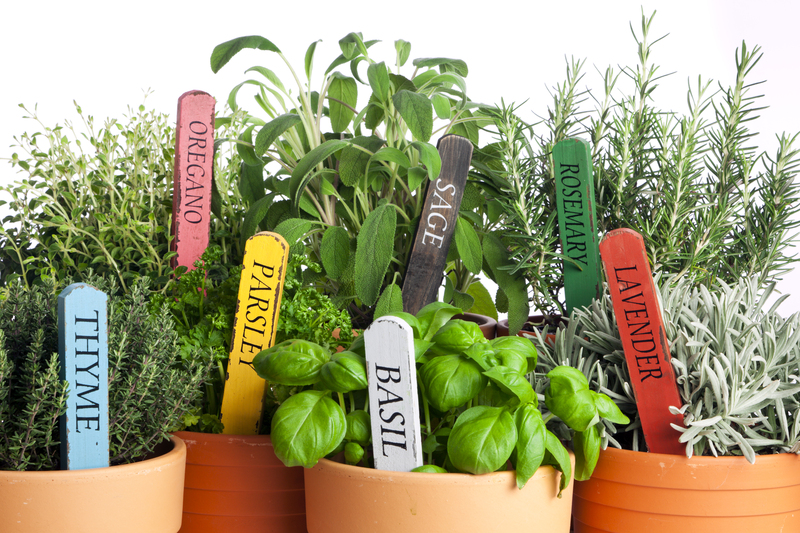
Some beginner-friendly plants include: Sunflowers, zinnias, lettuce, radishes, basil, and marigolds. These are hardy, quick to grow, and less susceptible to pests or diseases.
What's the best soil for beginners?
A good general-purpose potting mix usually works well for container gardens. For outdoor beds, enrich existing soil with compost to improve structure and fertility.
Conclusion: Start Your Gardening Journey Today!
Gardening is a joyful journey rather than a final destination. It invites you to connect with nature, foster patience, and experience the magic of growth. From understanding gardening basics to experimenting with new species, each day in your garden offers a chance to learn and grow.
By following these 9 essential tips for beginner gardeners, you'll be well-equipped to nurture your passion, avoid common pitfalls, and watch your garden--and your confidence--thrive. Happy gardening!
Nurture your passion, and let your love for gardening bloom!
Latest Posts
Nurture Your Passion: 9 Essential Tips for Beginner Gardeners
From Frost to Thrive: Protect Your Plants During Winter
Sustainable Vertical Gardening for Urban Spaces